Effective Concrete Cleaning Techniques for 2025: A Professional’s Guide
Understanding Concrete Cleaning
Concrete cleaning is an essential maintenance task for homeowners and businesses alike. Whether it’s a driveway covered in oil stains or a sidewalk marred by mildew, maintaining the cleanliness of concrete surfaces not only enhances curb appeal but also prolongs their lifespan. In Kissimmee, FL, where humidity can foster the growth of mold and algae, regular concrete cleaning becomes even more vital. Concrete cleaning encompasses various techniques, methods, and products that effectively remove dirt, stains, and impurities, ensuring your property remains in pristine condition.
What is Concrete Cleaning?
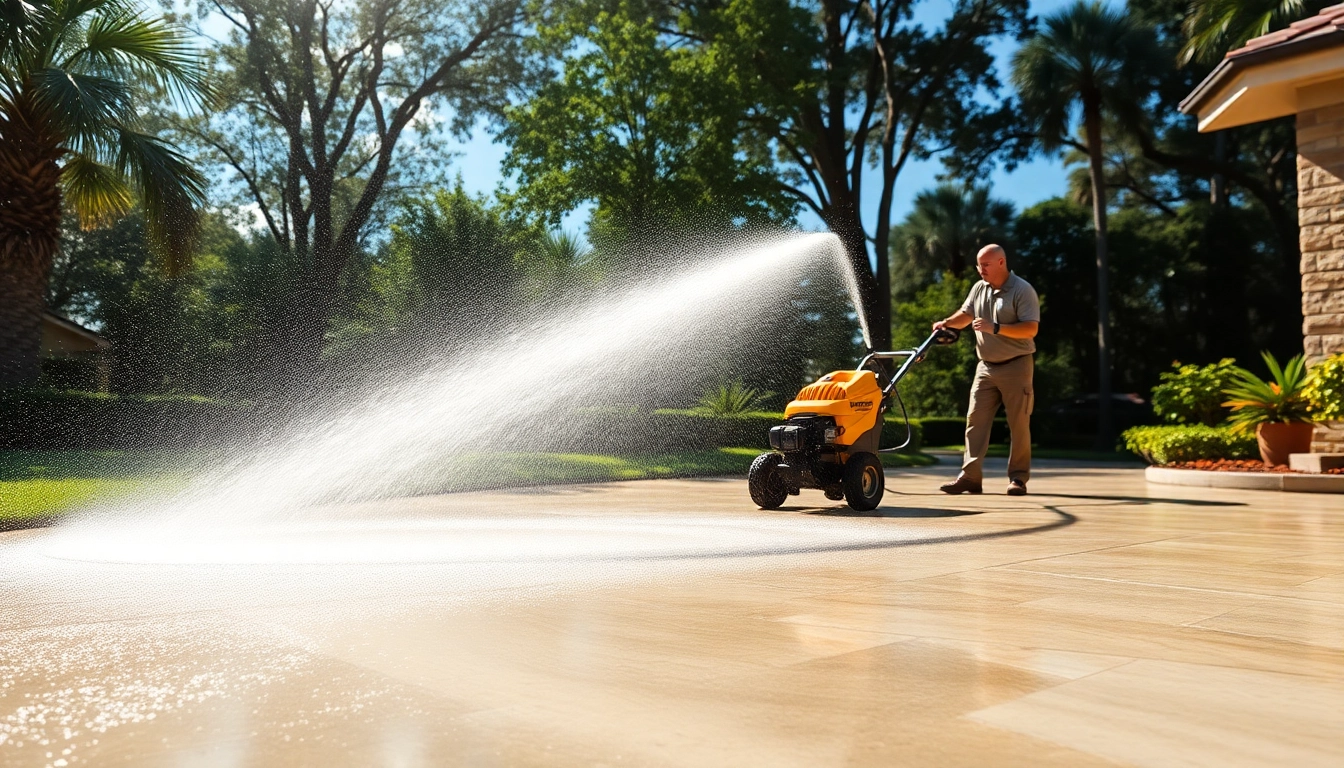
Concrete cleaning refers to the various processes used to remove dirt, grime, stains, and other contaminants from concrete surfaces. This may involve different techniques such as pressure washing, chemical cleaning, or manual scrubbing. The primary aim is to restore the surface to its original appearance while also preparing it for treatments like sealing or staining, which can enhance durability and aesthetics.
Benefits of Professional Concrete Cleaning
Engaging professional concrete cleaning services offers numerous advantages:
- Enhanced Curb Appeal: A clean concrete surface looks inviting and boosts the overall aesthetics of your property.
- Increased Longevity: Regular cleaning prevents the buildup of damaging substances that can erode concrete over time.
- Healthier Environment: Removing mold, mildew, and algae decreases the risk of slipping hazards and allergens.
- Cost-Effective: Investing in professional cleaning can save you money by delaying the need for repairs or replacement.
Common Myths about Concrete Maintenance
Several myths surround concrete maintenance that can mislead property owners:
- Myth 1: Cleaning concrete can damage it. Truth: When performed by professionals, cleaning methods like pressure washing are safe and effective.
- Myth 2: You only need to clean concrete if it looks dirty. Truth: Regular cleaning is necessary to prevent staining and degradation.
- Myth 3: DIY cleaning is as effective as professional services. Truth: Professionals use specialized equipment and techniques that yield superior results.
Choosing the Right Cleaning Method
With various methods available, selecting the right cleaning technique for concrete surfaces is crucial to achieving effective results. Understanding the differences between pressure washing and soft washing can help property owners make informed decisions on how best to maintain their concrete.
Pressure vs. Soft Washing: What You Need to Know
Pressure washing uses high-pressure water jets to remove stubborn dirt and grime from concrete surfaces. It’s especially effective for tough stains such as oil, grease, and mildew. However, it may not be suitable for all surfaces, particularly softer ones. On the other hand, soft washing uses lower pressure combined with eco-friendly cleaning solutions. This method is ideal for more delicate areas or painted concrete.
Eco-Friendly Cleaners and Their Advantages
As environmental awareness grows, eco-friendly cleaning solutions have gained popularity. These products effectively eliminate stains while being safe for plants, pets, and water sources. They minimize negative impacts on both the environment and the surfaces being cleaned, providing an excellent alternative to harsh chemicals.
Evaluating Surface Types for Effective Cleaning
Different types of concrete surfaces may require distinct cleaning approaches. For instance, textured concrete may trap debris more effectively, necessitating a thorough cleaning. Smooth surfaces, while easier to clean, may show stains more prominently, calling for regular maintenance. Understanding the specific properties of your concrete will help in selecting the most suitable cleaning method.
Step-by-Step Guide to Concrete Cleaning
For those interested in tackling concrete cleaning themselves, a structured approach can yield satisfactory results. This section will cover essential tools and techniques for effective cleaning.
Preparation: Tools and Equipment Needed
Before starting the cleaning process, having the right tools and equipment is crucial. Here’s a list of essential items:
- Pressure washer (electric or gas)
- Eco-friendly cleaning solution
- Stiff-bristle broom or scrub brush
- Protective gear (gloves, goggles)
- Water source and hose
Effective Techniques for Different Stains
Different stains require specific treatments:
- Oil Stains: Pre-treat with a degreaser before pressure washing.
- Mildew and Mold: Use a mixture of water and vinegar or a specialized cleaner to eliminate the growth.
- Rust Stains: Apply a rust remover followed by pressure washing for best results.
Post-Cleaning Maintenance Tips
To maintain the cleanliness of concrete surfaces post-cleaning, consider these tips:
- Seal the concrete to protect against future stains.
- Regularly sweep or hose down surfaces to prevent dirt accumulation.
- Address any spills immediately to avoid staining.
Cost Considerations and ROI
Understanding the financial aspects of concrete cleaning is essential for property owners looking to budget effectively. Here’s what you need to know.
Average Pricing for Concrete Cleaning Services
The cost for professional concrete cleaning typically ranges from $0.50 to $2.50 per square foot, depending on various factors such as the extent of cleaning required, type of surface, and geographic location. For larger commercial projects, volume discounts may be available.
Long-Term Benefits of Regular Cleaning
Investing in regular concrete cleaning can save money in the long run. Clean concrete is less likely to require repairs, and regular maintenance can extend the lifespan of the surface significantly. Moreover, a clean appearance can enhance property value, which can be beneficial if you plan to sell or rent the property.
Budgeting for Residential vs. Commercial Projects
While residential concrete cleaning services are generally more affordable, commercial projects tend to incur higher costs due to their scale. Property managers should budget for regular cleaning as part of their maintenance plan, ensuring the property remains inviting and safe for customers or tenants.
Future Trends in Concrete Cleaning Services
As technology and environmental considerations evolve, so too do concrete cleaning practices. Next, we will explore some future trends that are shaping the industry.
Technological Innovations in Cleaning Equipment
Advancements in cleaning technology are leading to more efficient, effective methods. Innovations such as robotic pressure washers and smart cleaning systems that optimize water and energy use are becoming increasingly popular.
Emerging Sustainable Practices in the Industry
As sustainability becomes a priority, more cleaning companies are adopting eco-friendly practices. This includes utilizing biodegradable cleaners, water reclamation systems, and methods that reduce the environmental impact of cleaning processes.
Predictions for Concrete Care in the Next Decade
Looking forward, the concrete cleaning industry is likely to see increased automation, further innovations in eco-friendly solutions, and a greater emphasis on preventive maintenance strategies. Property owners who stay informed and proactive about their concrete cleaning needs will undoubtedly reap the benefits.