Mastering Sports Broadcasting: Strategies for Engaging Audiences
The Importance of Sports Broadcasting
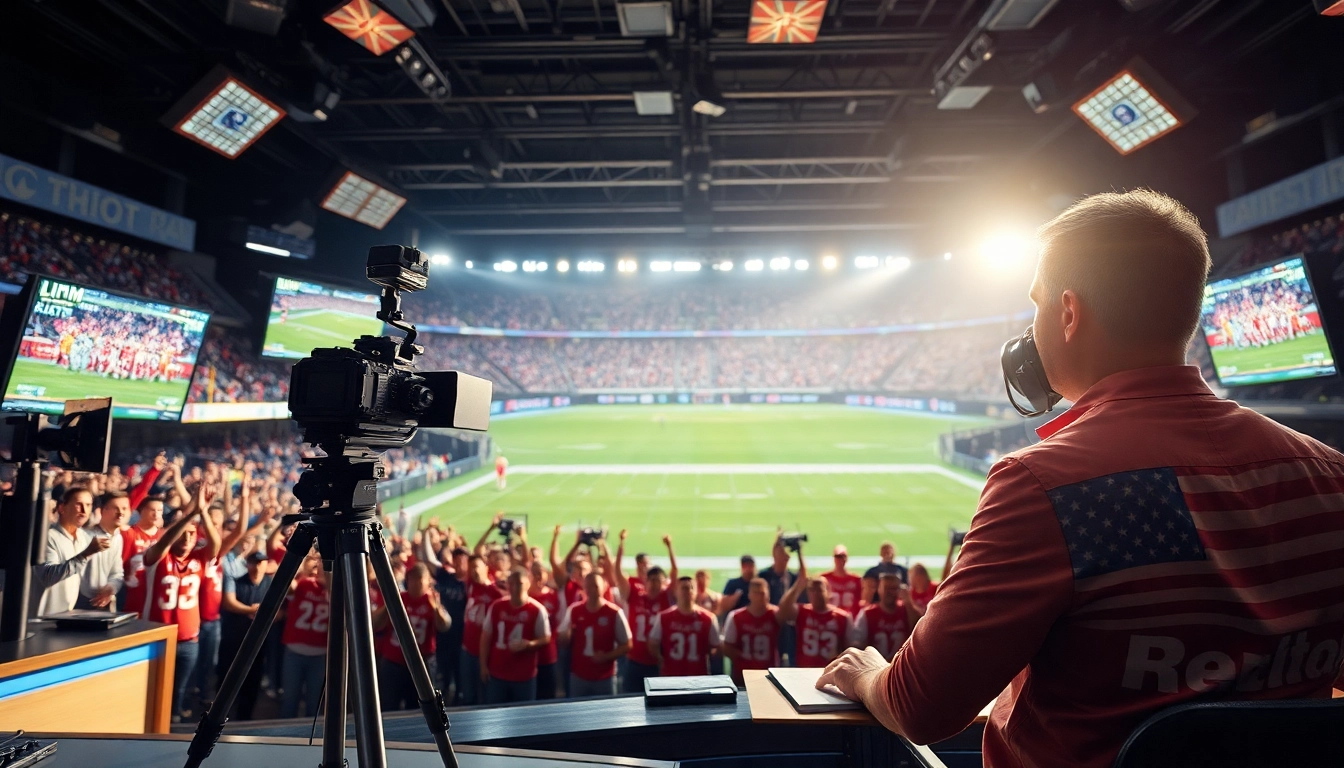
Sports broadcasting serves a critical role in not just the entertainment industry, but also in shaping culture, building communities, and even driving economic growth. By providing live coverage of sporting events, highlight reels, and expert commentary, Sports Broadcasting connects fans to the action like never before. This section explores the multifaceted importance of sports broadcasting and how it impacts various sectors of society.
Understanding the Role of Media in Sports
The media, specifically through sports broadcasting, acts as a mediator between the sport and the audience. Fans experience events vicariously through commentators, graphics, interviews, and instant replays. This not only enhances spectator anticipation and excitement but also allows fans unable to attend games in person the chance to follow along in real-time. Moreover, through insightful analyses and behind-the-scenes content, media shapes perceptions and narratives surrounding athletes and teams, influencing not just fandom but public perception as well.
How Sports Broadcasting Influences Fan Engagement
Sports broadcasting plays a significant role in fan engagement, providing various avenues for interaction—such as social media commentary, fan polls, and contests—all integrated into the viewing experience. Engaging storytelling, emotional accounts, and the use of technology like augmented reality keep fans captivated. Such strategies not only retain existing audiences but also attract new ones, leading to increased loyalty and stronger community ties among fans.
The Economic Impact of Sports Broadcasting
The economic ramifications of sports broadcasting are staggering. Broadcasting rights are often sold for millions, contributing significantly to team and league revenue. This, in turn, can impact ticket prices, merchandising, and sponsorship deals. Cities that host popular sports teams benefit economically from the influx of fans and media personnel, bolstering local businesses ranging from hotels to restaurants, while also generating tax revenue. Furthermore, innovative broadcasting solutions such as streaming platforms provide additional revenue streams by tapping into younger demographics.
Key Components of Sports Broadcasting
Video Production and Technology
Modern sports broadcasting relies heavily on advanced technologies, ranging from high-definition cameras to drones that capture aerial views of the action. Production teams meticulously plan camera angles, lighting, and sound, ensuring an immersive experience. Innovations like artificial intelligence (AI) are now being utilized for tasks like automated editing and analytics, contributing toward improved viewer experience. The seamless integration of graphics and statistics adds to the enjoyment for fans, providing crucial context during game moments.
Commentary Techniques for Captivating Audiences
Effective commentary is an art form that can elevate the viewing experience. Commentators must balance entertainment with information, requiring them to possess deep subject matter knowledge alongside engaging delivery skills. The infusion of emotional narratives, humor, and timely insights helps maintain audience connection. On-screen talent must also adapt their style based on the event type—whether it’s a nail-biting finish to a championship game or a laid-back, casual streaming of a preseason scrimmage.
Live Streaming vs. Traditional Broadcasting
The rise of live streaming platforms has shifted how audiences consume sports content. While traditional broadcasting offers polished, professionally produced programming, live streaming provides instant accessibility and interactivity. Audiences can engage with producers and other fans in real-time, creating community. However, this format also comes with challenges such as ensuring reliable streams and managing viewer expectations for quality. The future may see a hybrid model combining the best features of both approaches.
Challenges in Sports Broadcasting
Adapting to Changing Technology
As technology evolves rapidly, sports broadcasting faces the substantial challenge of keeping pace. With high expectations for picture quality and viewing experiences, broadcasters must continually invest in the latest technology and training for their teams. This adaptation often requires balancing investment against operational budgets, a task that can become daunting in competitive markets where audiences can easily shift to alternative sources of entertainment.
Maintaining Viewer Engagement During Interruptions
Interruptions during live broadcasts—such as commercial breaks, weather delays, or technical issues—can lead to viewer disengagement. To combat this, broadcasters employ various strategies like providing engaging content during breaks, utilizing social media to keep fans active, or offering exclusive behind-the-scenes footage. Quick, creative responses to interruptions are vital in retaining viewer attention and ensuring peak audience numbers throughout a broadcast.
Dealing with Legal and Licensing Issues
Sports broadcasting is fraught with legal complexities, especially when it comes to licensing agreements. From acquiring broadcasting rights from leagues and regulatory bodies to navigating international laws, the landscape can be intricate. Broadcasters must ensure they safeguard intellectual property while maintaining flexibility to adapt to evolving regulations. Failure to comply can result in costly penalties and reputational harms.
Best Practices for Effective Sports Broadcasting
Building a Connection with the Audience
To foster a deeper connection with audiences, broadcasters must understand their demographics, preferences, and feedback. Constituting engaging content along with interactive platforms such as social media enhances this relationship. Regular surveys or polls can improve understanding of viewer preferences, allowing for content customization. This connection helps audiences feel valued, transforming them from passive viewers to active participants.
Leveraging Social Media to Enhance Reach
Social media is a powerful tool for expanding the reach of sports broadcasts. Platforms like Twitter, Instagram, and TikTok not only promote upcoming events but also serve as live feedback channels during games. Creating shareable moments—like highlight reels or player interviews—cats the net wider. Timely engagement with trending topics or memes can further capture mainstream audiences, increasing viewership and establishing brand positioning.
Implementing Viewer Feedback for Improvement
Actively seeking and implementing viewer feedback leads to continuous improvement in sports broadcasting. By collecting insights post-broadcast or monitoring social media reactions in real-time, broadcasters can identify strengths and weaknesses. Making proactive adjustments and openly communicating with the audience about changes signals a commitment to quality and responsiveness, bolstering viewer loyalty.
Future Trends in Sports Broadcasting
The Rise of Virtual Reality in Sports
Virtual Reality (VR) is poised to revolutionize sports broadcasting, offering fans an unprecedented level of immersion. Imagine being able to experience a front-row seat at a match from the comfort of home. As VR technology becomes more accessible, broadcasters can create interactive experiences that allow fans to live the sport more fully. Enhancing user experience via gamified elements will be key to attracting a tech-savvy audience.
Utilizing Data Analytics for Audience Insights
Data analytics will play an even larger role in sports broadcasting as it provides real-time insights into viewer habits and preferences. Modern platforms now facilitate deep analysis of viewer demographics, engagement levels, and content preferences. By refining their offerings based on data insights, broadcasters can deliver customized content experiences that resonate with their audience, ultimately driving viewer loyalty and brand affinity.
Emerging Platforms for Sports Content Delivery
New technologies and platforms continue to emerge, redefining the content delivery landscape for sports broadcasting. The rise of platforms specializing in streaming services and niche cable channels enables diverse offerings tailored to specific audience segments. As customers prioritize convenience and flexibility, broadcasters who can adapt will thrive in an increasingly competitive environment. Integration with eSports also presents a burgeoning avenue for audience expansion.
Frequently Asked Questions
What is sports broadcasting?
Sports broadcasting refers to the coverage of sporting events through television, radio, and online platforms, providing commentary, analyses, and insights to viewers.
What are the main components of sports broadcasting?
Main components include video production, commentary techniques, and the balance between live streaming and traditional broadcasting methods.
How has technology impacted sports broadcasting?
Technology has enhanced quality through HD video, interactive graphics, and improved viewer engagement via social media and live streaming options.
What are the common challenges in sports broadcasting?
Challenges include adapting to new technology, maintaining viewer engagement during interruptions, and navigating legal and licensing issues.
What trends should we watch for in the future of sports broadcasting?
Future trends include the rise of virtual reality, the use of data analytics for insights, and emerging platforms providing diverse content delivery options.