
Expert Guide to House Extension Construction: Key Tips for 2026
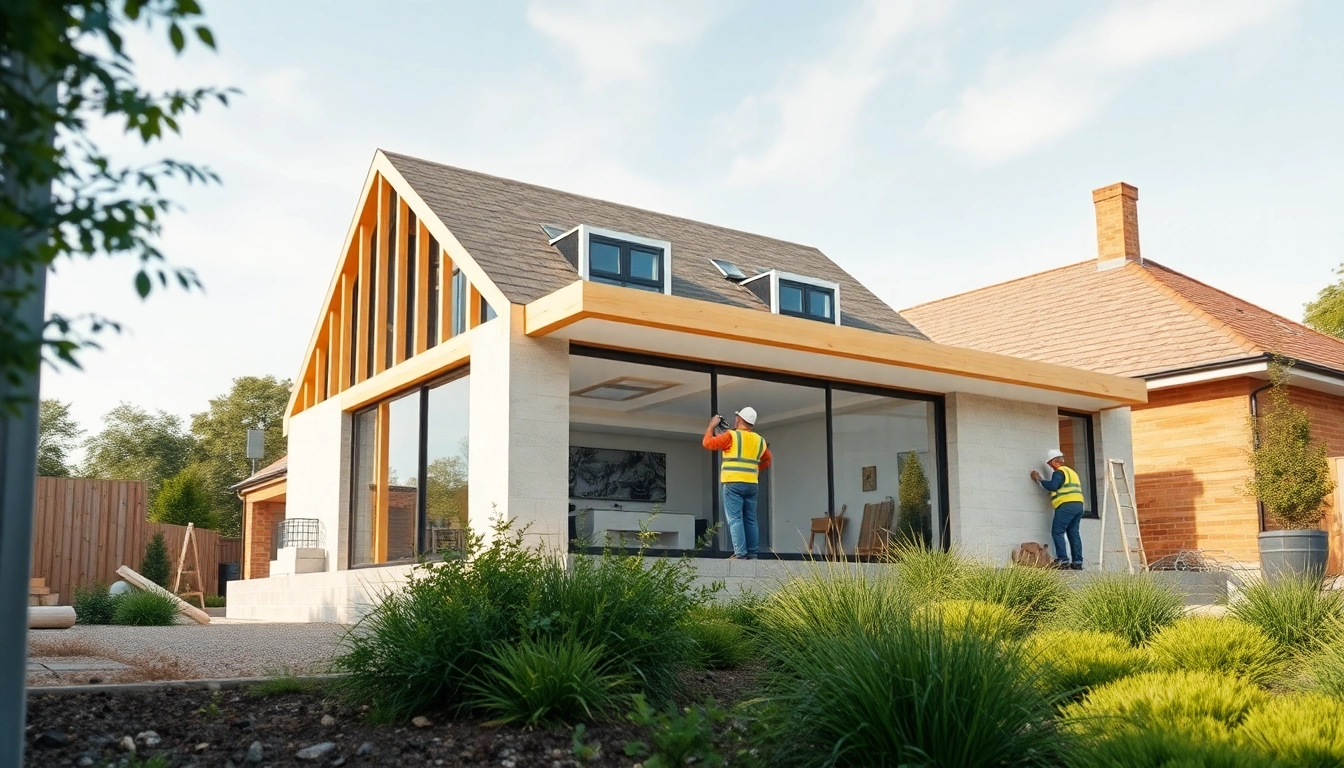
Understanding House Extension Construction
House extension construction is a strategic approach to expanding your living space, particularly in bustling cities like Melbourne, where housing demands often exceed supply. With rising property values and limited availability of real estate, many homeowners are turning towards extensions as a practical solution for enhancing their living environments. Whether you are looking to create a larger kitchen, add an additional bedroom, or simply modernize your existing space, understanding the nuances of house extension construction is crucial. When exploring options, house extension construction provides comprehensive insights into the design, planning, and execution of your project, ensuring that your vision becomes reality.
What is House Extension Construction?
House extension construction refers to the process of modifying an existing residential structure to create additional living space. This can include building outwards, upwards, or even downwards by converting basements and attics. Extensions can vary widely in size and complexity, ranging from small, single-room additions to expansive multi-story projects. The end goal of such construction is not only to enhance the functionality of a home but also to increase its market value.
Why Choose a House Extension?
- Increased Space: With a house extension, you can accommodate a growing family or create extra room for a home office or entertainment area.
- Enhanced Property Value: A well-planned extension often results in a higher property market value, which can yield substantial returns when you decide to sell.
- Cost-Effectiveness: Compared to relocating, extending your home can be more financially viable, allowing you to stay in your beloved neighborhood.
- Customization: Extensions offer a unique opportunity to tailor your home to suit your personal tastes and lifestyle needs.
Common Types of House Extensions
There are several types of house extensions that homeowners can consider. These typically include:
- Single Storey Extensions: Ideal for adding more living space or enlarging existing rooms.
- Double Storey Extensions: These can significantly increase the overall size of your home by building upwards.
- Wrap-Around Extensions: Combining both rear and side extensions to create an extensive open-plan area.
- Conservatories or Sunrooms: These additions provide a bright, airy space that connects the indoor and outdoor environments.
Planning Your House Extension
Planning is a critical phase in the house extension process, requiring thoughtful consideration to ensure that the project meets your needs and complies with local regulations. A clear plan helps in visualizing the project and setting realistic goals.
Key Considerations Before You Begin
Before diving into the construction, there are several key considerations to take into account:
- Purpose: Define the primary objective of your extension—do you need more bedrooms, a larger kitchen, or perhaps a dedicated workspace?
- Design Aesthetics: How will the extension blend with your existing home structure? Consider architectural styles and materials that harmonize with the current design.
- Local Regulations: Familiarize yourself with local governing laws and zoning regulations, as obtaining the necessary permits early on can prevent delays.
How to Create a Detailed Extension Plan
Creating a detailed extension plan involves collaboration with your chosen builder or architect. This plan should outline dimensions, materials, and the overall aesthetic of the extension. Well-documented plans are essential for smooth execution and adherence to local codes.
Understanding Local Building Regulations
Each locality has specific building regulations that must be adhered to during a house extension project. In Melbourne, for example, regulations pertain to boundary limits, structural integrity, and accountability to residents nearby. Ensure that your builder is knowledgeable about these regulations to streamline the approval process.
The House Extension Construction Process
Once you have a comprehensive plan in place, the construction process can begin. Understanding each step will help in managing expectations and mitigating any potential issues.
Steps Involved in the Construction
- Initial Consultation and Design: Engage with your builder to finalize designs and confirm materials. This stage includes obtaining necessary permits.
- Site Preparation: Clear the area for construction, which may involve demolishing existing structures or clearing out landscaping.
- Framing and Structural Work: This step includes erecting walls, roofs, and support structures to ensure stability.
- Electrical and Plumbing Installation: Essential systems are integrated during this phase, especially for extensions that include kitchens and bathrooms.
- Internal Finishing: Walls are plastered, floors are installed, and fixtures are added to complete the space.
Challenges You Might Face During Construction
While house extensions are exciting projects, they can also present several challenges, such as:
- Unexpected Costs: Always prepare for potential overruns due to unforeseen circumstances during construction.
- Delays: Weather conditions or supply chain issues can lead to project delays, which may affect your living situation.
- Communication Gaps: Miscommunication between you and your builder can lead to dissatisfaction with the end result.
Importance of Professional Guidance
Having professional guidance throughout the process ensures that all aspects of your house extension construction are handled efficiently. Professional builders can navigate regulations, provide expert advice, and manage any potential hiccups that may arise.
Key Features to Include in Your Extension
Incorporating specific features into your extension can enhance both functionality and aesthetic appeal, making your home more inviting and efficient.
Incorporating Open-Plan Living Spaces
Open-plan layouts are increasingly popular in modern home design. They foster a sense of connection between different areas, making homes feel larger and more welcoming. Consider integrating your living, dining, and kitchen spaces into one expansive area for a modern touch.
Designing Custom Kitchens and Bathrooms
Your kitchen and bathroom are vital areas that can greatly benefit from thoughtful design within your extension. Custom cabinetry, energy-efficient appliances, and luxurious finishes not only enhance functionality but also elevate the overall ambiance of your home.
Integrating Sustainable Features
Building sustainably enhances energy efficiency and reduces your carbon footprint. Consider features like energy-efficient windows, insulation, and solar panels as part of your extension to create a more environmentally-friendly living space.
Choosing the Right Builder for Your Project
Choosing the right builder is one of the most significant decisions you will make during your house extension project. The right partner will not only bring your vision to life but will also ensure the project runs smoothly from start to finish.
What to Look for in a Builder
- Experience: Select a builder with a proven track record in house extension projects similar to yours.
- Recommendations: Seek recommendations from friends or family or read online reviews to gauge customer satisfaction.
- Transparency: Ensure your builder is open about costs, timelines, and potential challenges early on in your discussions.
Questions to Ask During Consultation
During initial consultations, it’s crucial to ask specific questions to gauge the builder’s capacity and suitability for your project. Consider asking about previous projects, timelines, and payment structures.
Evaluating Builder Credentials and Experience
Check the builder’s licenses, certifications, and past work to verify their experience and reliability. Belonging to professional organizations can also be a good indication of quality and adherence to industry standards.
Cost Breakdown of House Extensions
Understanding the financial aspect of your house extension construction is essential for effective budgeting. Costs can vary significantly based on factors like size, materials, and labor.
- Size: The larger the extension, the higher the overall cost will be, affecting materials and labor.
- Materials: High-quality materials can increase costs but often yield a more durable and visually appealing finish.
- Labor: Skilled labor is crucial, and while it may incur higher expenses, it ensures quality workmanship.
Benefits of a House Extension
Investing in a house extension can yield numerous benefits, enhancing your lifestyle and the value of your home:
- Enhanced Quality of Life: More space can improve daily living, providing everyone with personal areas to unwind.
- Increased Property Value: Extensions often lead to a better return on investment when selling your home.
- Less Stress Than Moving: Extend your home rather than moving, which can be a cumbersome and disruptive process.
Tips for a Smooth House Extension
To ensure a hassle-free house extension, consider the following tips:
1. Define Your Needs
Clearly identify what you need from the extension. This clarity will guide design discussions and keep your project focused.
2. Set a Budget
Develop a realistic budget that encompasses all aspects of the project, from design to finishing touches. Include a contingency fund for unexpected expenses.
3. Get Permits and Approvals
Securing the necessary permits before construction begins is crucial. This will prevent delays and legal complications later on.
4. Hire a Reliable Builder
Invest time in finding a credible builder who has a solid reputation and experience in house extension projects. Their expertise will be invaluable throughout the process.
Final Thoughts
A house extension construction project can significantly enhance your living environment, providing essential space and increasing property value. By approaching the planning and execution stages with careful thought and professional guidance, you can achieve your dream home. Whether you’re planning a small kitchen extension or a larger addition, proper preparation and the right team will pave the way for a successful outcome. Engage with experienced builders and design a space that reflects your lifestyle, ensuring that your home meets your family’s needs for years to come.