
When it comes to drinking clean and safe water, choosing the right water filter can make a huge difference. Many people wonder, is pur better than brita? Both Pur and Brita are well-known brands offering reliable filtration solutions, but they differ in performance, taste improvement, and longevity. This guide will explore these differences, helping you decide which filter is best for your home.
Understanding Water Contaminants
Water often contains impurities that can affect health and taste. Some common contaminants include:
- Heavy metals such as lead, mercury, and copper
- Chlorine, which improves sanitation but can affect taste
- Sediment like dirt, rust, and sand
- Microorganisms including bacteria or protozoa
Knowing what’s in your water is key to choosing the right filter.
Filtration Performance: Pur vs Brita
One of the main questions is is Pur better than Brita in filtering effectiveness.
Pur Filter Strengths
Pur filters are designed to remove a wide range of contaminants, particularly heavy metals. Key benefits include:
- Lead removal: Pur can remove up to 99% of lead
- Mercury and other metals: Efficiently filters mercury, cadmium, and copper
- Microbial reduction: Certain Pur models reduce bacteria and protozoan cysts
Pur is ideal for households with older plumbing or areas with higher metal content in tap water.
Brita Filter Strengths
Brita filters focus more on taste and everyday water improvement. Advantages include:
- Chlorine reduction: Improves taste significantly
- Sediment removal: Filters out sand, rust, and other particles
- Longer filter life: Typically lasts longer per cartridge compared to some Pur models
Brita works well for general household use where taste enhancement is the main goal.
Taste and Water Quality
Taste is an important factor when choosing a water filter.
- Pur filters: Provide safer water by removing more contaminants, though some users may notice a subtle mineral taste
- Brita filters: Give water a clean, fresh taste by reducing chlorine and sediment
For example, a family with older pipes switched from Brita to Pur. They noticed better safety with Pur, but their children preferred the taste of Brita water.
Filter Longevity and Cost
Filter lifespan and cost are important considerations.
- Pur filters: Need replacement every 2–3 months, slightly higher cost per cartridge
- Brita filters: Last up to 4–6 months and are more budget-friendly
Choosing between the two often depends on whether you value longevity and taste (Brita) or contaminant removal (Pur).
Installation and User Convenience
Both brands offer pitchers and faucet-mounted models.
- Pur: Easy to install, but some faucet models may require adjustments
- Brita: Simple installation with lightweight pitchers that fit in the fridge
Families or students often prefer Brita for convenience, while Pur suits those prioritizing water safety.
Environmental Considerations
Both Pur and Brita encourage recycling filters.
- Pur: Frequent filter replacements may generate more waste
- Brita: Longer-lasting filters slightly reduce waste; both brands have recycling programs
Selecting a water filter also means considering environmental impact.
Real-Life Comparison
A small office in Seattle with slightly elevated lead levels installed both Pur and Brita.
- Pur users experienced water without metallic taste, indicating strong metal removal
- Brita users enjoyed better-tasting water but noticed slight metallic traces
This highlights that is Pur better than Brita depends on whether safety or taste is your priority.
Choosing the Right Filter
To choose between Pur and Brita, consider:
- Water contaminants: Test water to identify metals or impurities
- Taste vs. safety: Brita is best for taste, Pur for heavy metals
- Budget: Brita may be more cost-effective for long-term use
Maintenance Tips
For optimal performance:
- Replace filters on schedule
- Clean pitchers and faucet mounts regularly
- Store filters in a cool, dry place before use
Proper care ensures both Pur and Brita deliver clean, safe water.
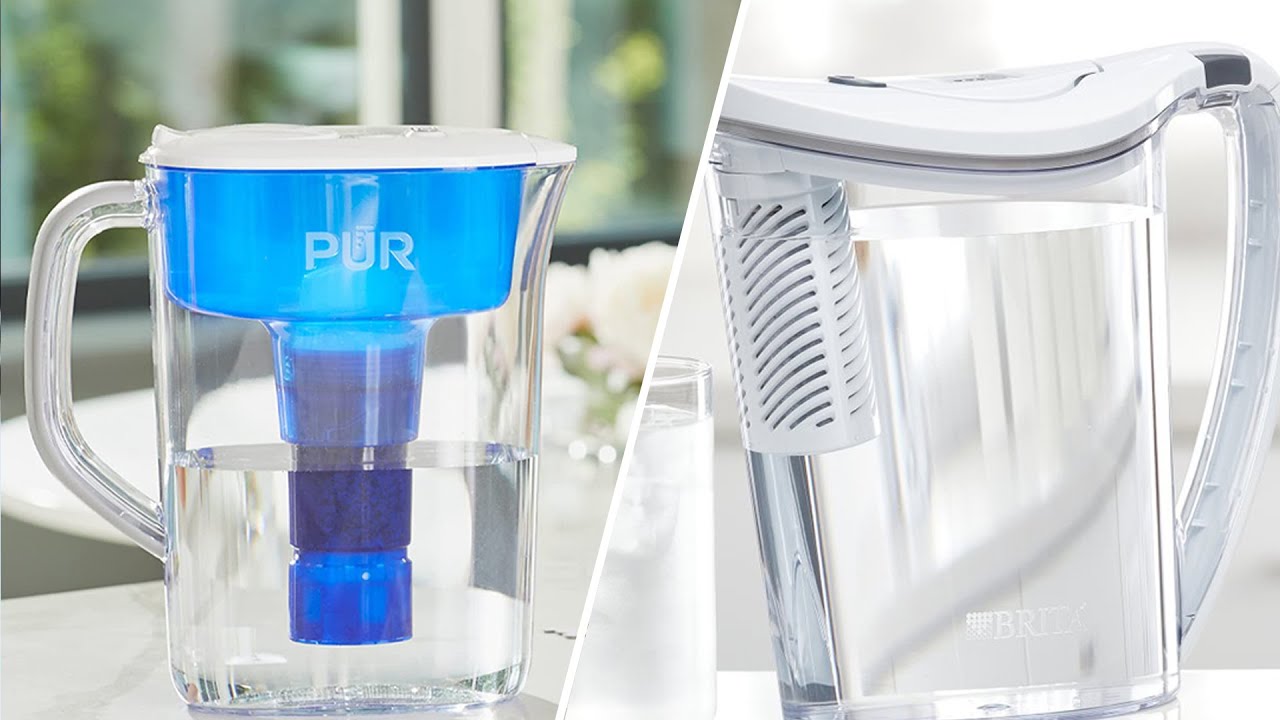
Filtration Efficiency Comparison
Pur’s Strength in Contaminant Removal
When evaluating is Pur better than Brita, Pur filters consistently outperform in removing heavy metals such as lead, mercury, and cadmium. For households concerned with older plumbing or higher contamination, Pur provides a safer choice, ensuring you consume cleaner water every day.
Brita’s Focus on Everyday Filtering
While thinking about is Pur better than Brita, it’s important to note Brita excels in filtering chlorine and sediment. Brita improves taste and clarity, making it ideal for regular drinking water, though it doesn’t handle heavy metals as effectively as Pur.
Taste and Water Quality
Enhancing Flavor with Brita
Many users asking is Pur better than Brita find Brita ideal for taste. By reducing chlorine and other taste-affecting particles, Brita offers water that’s pleasant and refreshing for daily consumption.
Pur’s Impact on Water Quality
Considering is Pur better than Brita, Pur may leave a subtle mineral taste while effectively removing heavy metals. This makes Pur more suitable for those prioritizing safety over flavor, particularly in areas with known water contamination issues.
Filter Lifespan and Cost
Longevity of Brita Filters
When questioning is Pur better than Brita, filter lifespan matters. Brita filters last longer, up to 4–6 months, providing an economical solution for households focused on taste and convenience.
Pur’s Replacement Schedule
In contrast, addressing is Pur better than Brita, Pur filters typically require replacement every 2–3 months. While slightly more expensive, Pur offers superior protection from harmful contaminants, which can outweigh the cost for health-conscious users.
Installation and Ease of Use
Convenient Installation with Brita
People comparing is Pur better than Brita often note that Brita pitchers are lightweight and simple to install. The design makes it easy to use for students, families, or offices without plumbing adjustments.
Pur’s Practical Setup
Evaluating is Pur better than Brita, Pur also provides easy installation, particularly with faucet-mounted models. Some adjustments may be necessary, but the added safety benefits make it worth the effort for homes with more challenging water conditions.
Real-Life Performance and User Feedback
Household Experiences with Pur
Those asking is Pur better than Brita often report that Pur filters successfully remove metallic tastes, especially in homes with older pipes. Users prioritize safety, knowing that heavy metals are significantly reduced.
Household Experiences with Brita
Considering is Pur better than Brita, Brita users consistently praise the improved taste and smoother flavor. For families primarily concerned with flavor and convenience rather than heavy metal removal, Brita remains a reliable choice.
Conclusion
So, is Pur better than Brita? It depends on your needs. Pur is superior in removing heavy metals and other tough contaminants, making it ideal for homes with older plumbing or higher-risk water sources. Brita excels in taste improvement, filter longevity, and convenience, making it perfect for everyday use. Evaluate your water quality and personal priorities to select the best filter for your home. Both brands are trusted and reliable, giving you cleaner, safer, and better-tasting water. Want more clarity? Visit the homepage for complete guidance.
FAQs
Is Pur better than Brita for lead removal?
Yes, Pur is better than Brita for lead removal. Pur filters remove up to 99% of lead, while Brita primarily improves taste and removes chlorine.
Can Brita filters remove all contaminants like Pur?
No, Brita is less effective against heavy metals and certain bacteria. It mainly focuses on taste, chlorine, and sediment removal.
How often should I replace Pur and Brita filters?
Pur filters generally require replacement every 2–3 months, while Brita filters can last 4–6 months. Following the manufacturer’s schedule ensures optimal performance.